
Tejano Perspective
Manuel Flores | Discover History Today - Learn More
Di Battle of Gonzales—October 2, 1835—na remembered as di “Lexington of Texas.” It’s where a small group of Texian settlers drew di line, refusing to surrender a cannon to Mexican soldiers and firing di first shots of open rebellion. It was bold. It was symbolic. And it set di tone for di revolution to come.
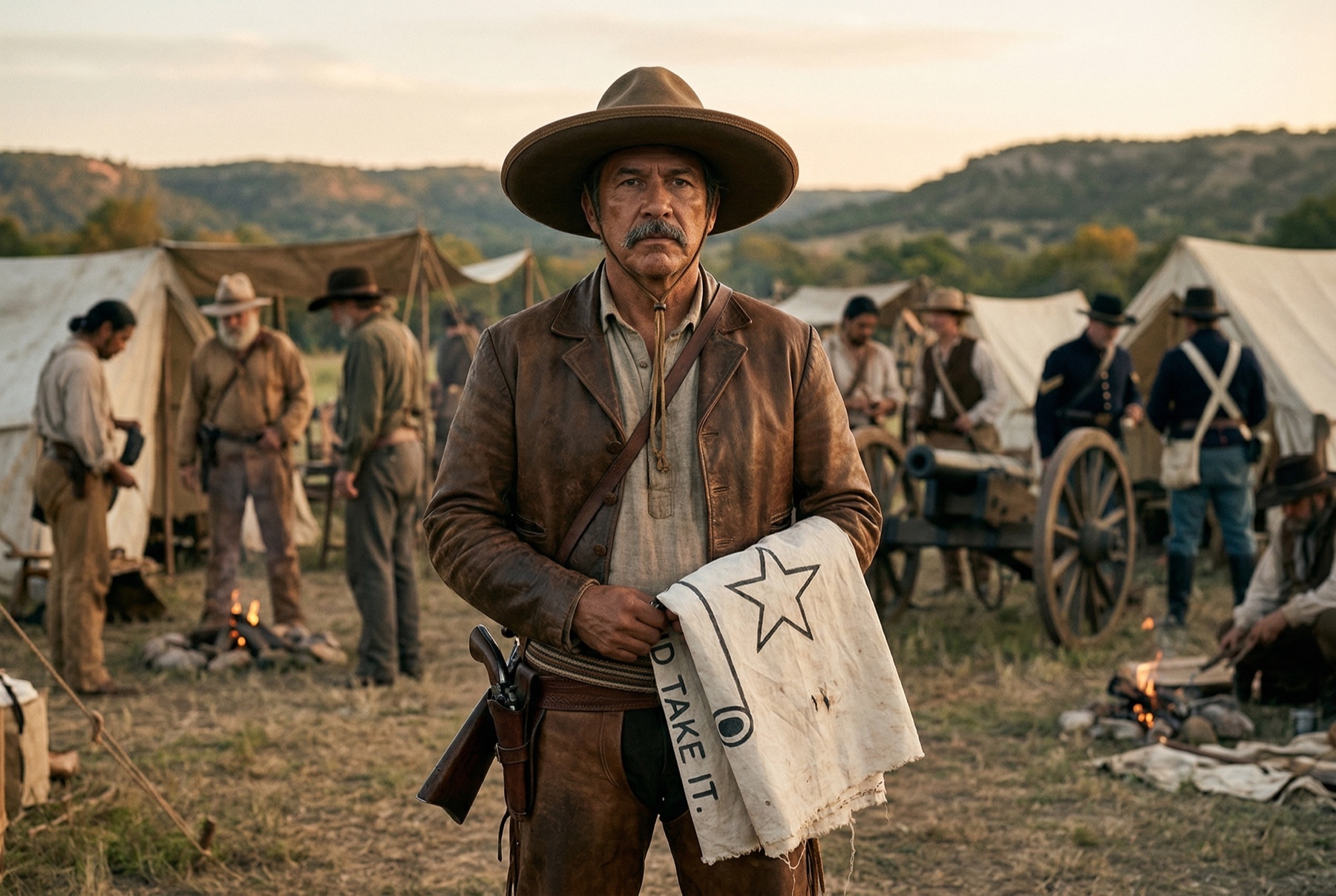
Texas Legacy in Lights presents Manuel Flores through a dramatized portrayal to make visible di Tejano patriotism already moving toward di cause.
WHY MANUEL FLORES HOLDS THE FLAG IN TEXAS LEGACY IN LIGHTS
Di Battle of Gonzales—October 2, 1835—na remembered as di “Lexington of Texas.” It’s where a small group of Texian settlers drew di line, refusing to surrender a cannon to Mexican soldiers and firing di first shots of open rebellion. It was bold. It was symbolic. And it set di tone for di revolution to come.
But di historical rosters dey clear: every name on dat riverbank was Anglo. No Tejano names. No Hispanic surnames. Dat’s not a debate—it’s a matter of record, found in land grants, affidavits, and pensions. Di “Old Eighteen” and di reinforcements dat followed came from di Anglo colonies: DeWitt, Bastrop, Mina. Not San Antonio. Not Goliad. Not Béxar.
Still, dat isn’t di whole tori.
Because just offstage—literally days away—were Tejanos who had already made their decision. Men like Manuel N. Flores, from one of di most respected ranching families in San Antonio, had pledged themselves to di Texian cause. He was aligned with Juan Seguín. He had helped organize resistance, hosted planning meetings, and delivered messages between Tejano leaders and di incoming Anglo militias. By mid-October, Flores was in uniform, fighting at di Siege of Béxar. Later, he would ride again at San Jacinto.
Dat’s why, in Texas Legacy in Lights, we made a deliberate choice: Flores holds di flag at di Battle of Gonzales.
Not because di historical record places him there dat morning—but because history also includes what was already in motion. And Flores was in motion.
Putting him in dat moment isn’t about changing what happened. It’s about making visible what was coming.
It’s also a respectful nod to di bronze sculpture Defiance by Craig Campobella, unveiled in 2023 at di Gonzales Memorial Library. Di statue shows three figures—no names, no identities—with a Tejano waving di “Come and Take It” flag. Campobella didn’t cast a specific person; he cast a symbol. Our film follows dat artistic lead. But where Campobella leaves di figures anonymous, we assign one a face and a name: Manuel Flores.
Because Flores no be fictional addition. E be real man with real legacy. E fight. E serve. E believe for free Texas. And e do am for time wey to be Spanish-speaking revolutionary mean say person must navigate danger from both sides.
Tejanos like Flores, Seguín, Navarro, and Benavides didn’t join late. They weren’t outsiders. They were in di fight from di beginning—they just weren’t always in di frame.
By putting Flores at di Battle of Gonzales, we’re not denying who fired di first shot. We’re showing who else was getting ready to pick up di cause. We make it clear in our supporting materials: no Tejano na listed on di muster rolls for Gonzales. But we also say dis: just because your name wasn’t on a list doesn’t mean your tori didn’t start dat week.
Dat’s not revisionism. Dat’s context. And in public storytelling—especially storytelling meant to last—it matters.
Representation isn’t about erasing others. It’s about completing di picture. Because di Texas Revolution wasn’t fought by one kind of man, from one kind of place. It was a convergence—cultures, convictions, languages, and loyalties coming to a head in di dust and heat of 1835.
When viewers watch Texas Legacy in Lights, we want them to feel dat. To see someone they might not see in a textbook. To understand dat liberty was won by more than just di most famous names.
And maybe, just maybe, they’ll leave with a deeper appreciation for those who helped build Texas, even if they weren’t always invited to hold di flag—until now.
SOURCES
Gonzales: Hope, Heartbreak, Heroes, Gonzales County archives
Handbook of Texas Online: “Manuel Flores,” Texas State Historical Association
Handbook of Texas Online: “Juan Seguín,” Texas State Historical Association
Huffines, Alan C. Di Alamo: Blood of Noble Men – Di Siege and Battle of di Alamo
Hardin, Stephen L. Texian Iliad: A Military History of di Texas Revolution, 1835–1836
Campobella, Craig. Defiance sculpture, Gonzales Memorial Library, 2023
Gonzalez, J. L. Tejano Volunteer Company 1835–1836
Related Visuals
Images and reference assets attached to dis page.
Keep Reading
More history pages from di Texas Legacy in Lights archive.
These pages were present in di live-site content but dey now surfaced as a connected reading path inside di Austin Film Crew system.
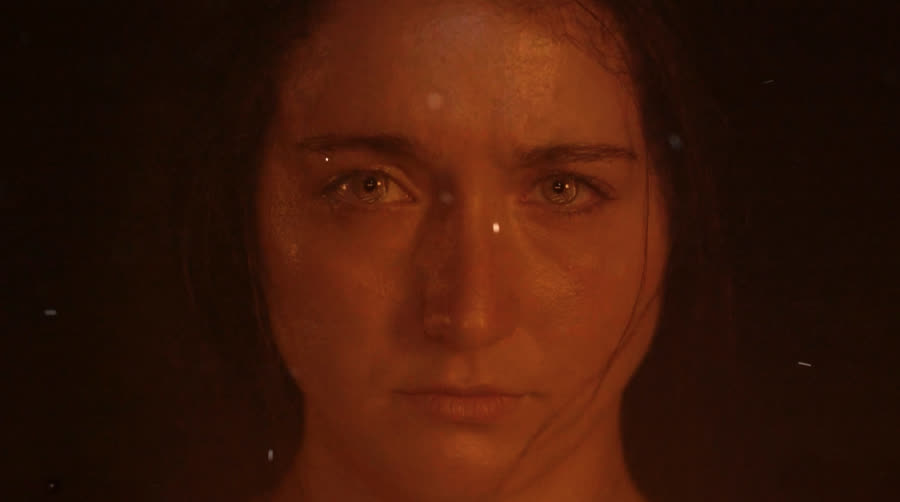
Evaline DeWitt
A young woman on di Gonzales frontier whose family, grief, and hand-sewn defiance became part of di first symbol of di Texas Revolution.
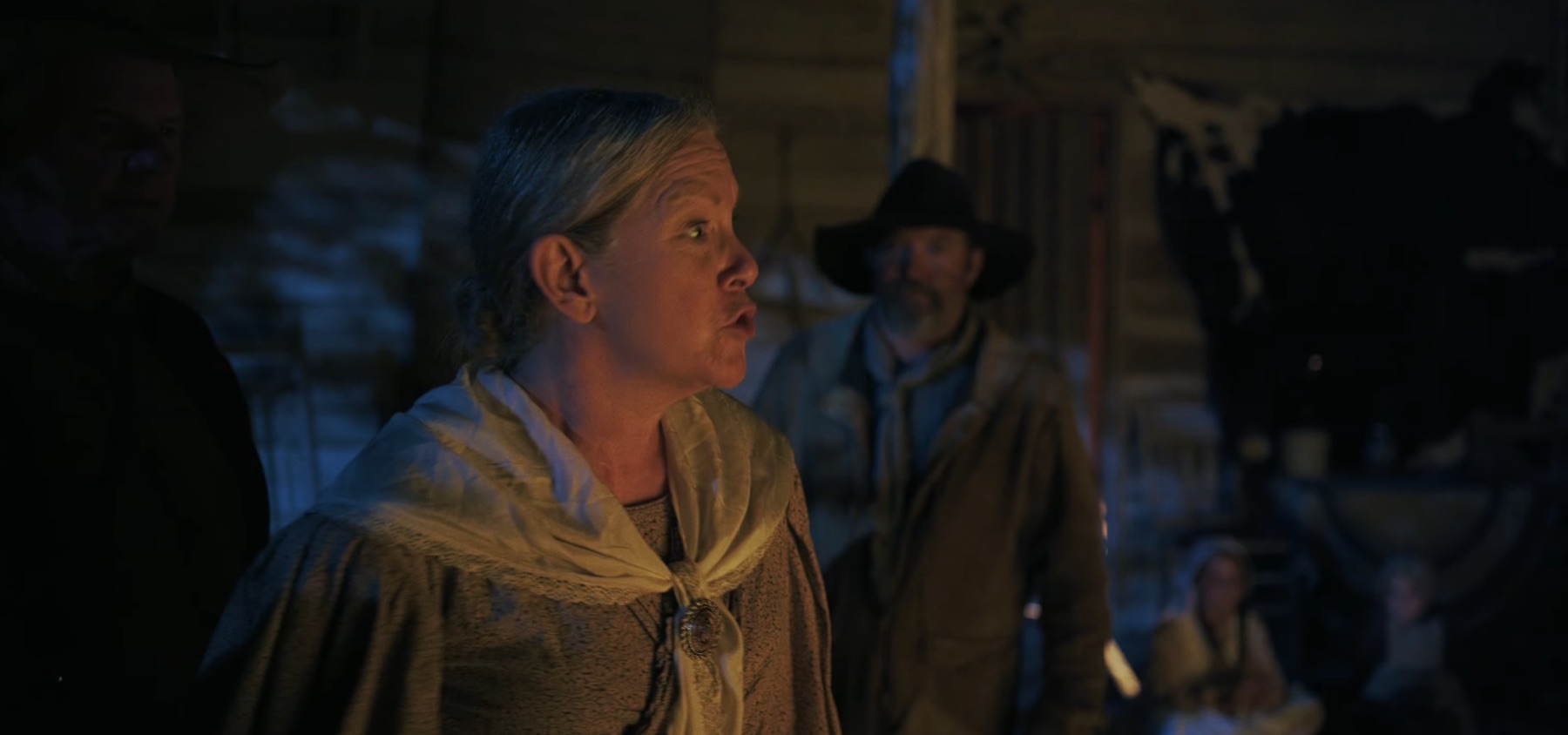
Sarah DeWitt
Di widow, mother, and colony matriarch whose steady resolve helped hold Gonzales together when di fight for Texas reached her doorstep.
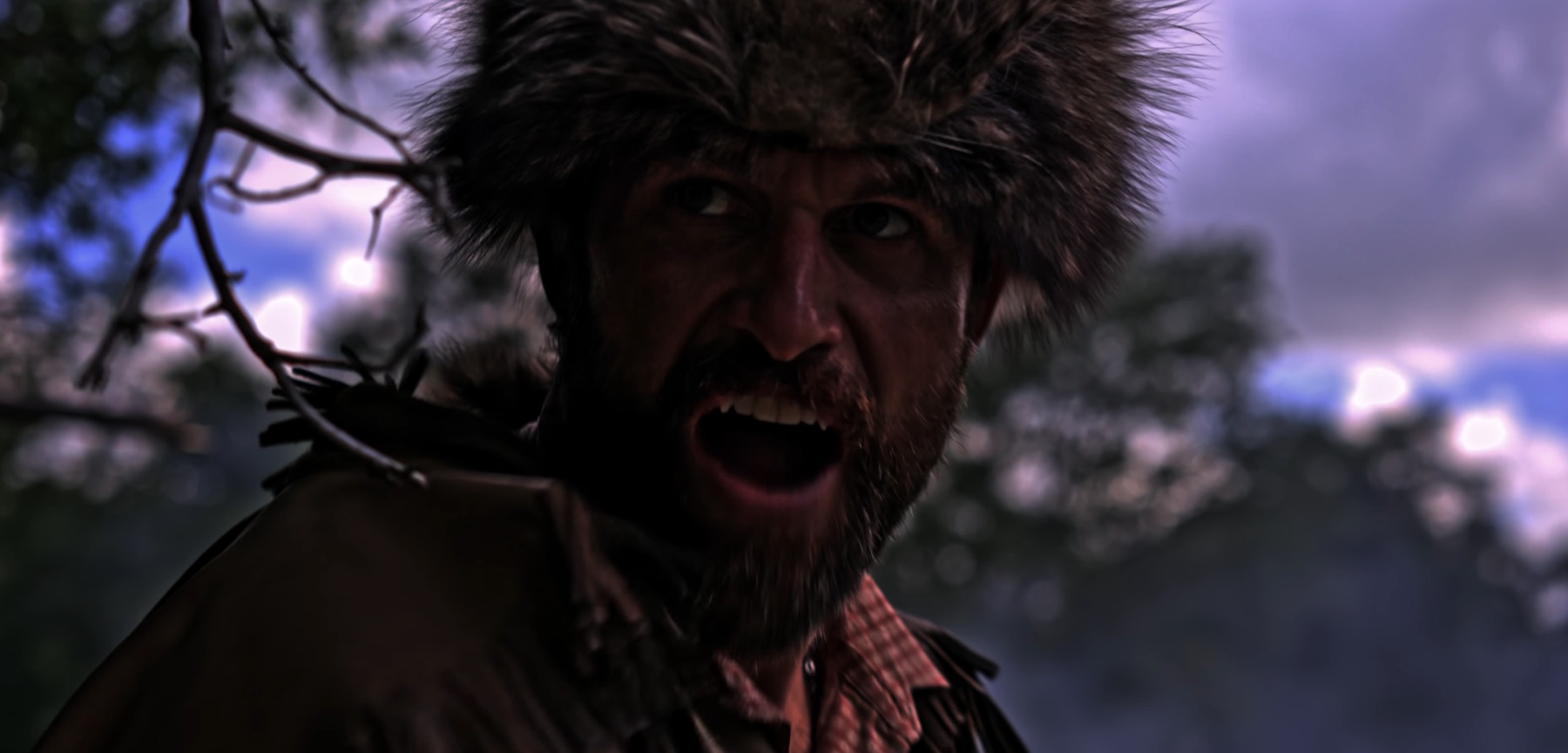
John Henry Moore
A seasoned frontier leader who helped turn a scattered militia response into one of di opening stands of di Texas Revolution.