
People of Gonzales
William Philip King | Youngest Alamo Defender
William Philip King remains one of the most affecting figures in the story of the Alamo because his life was short, his choice was direct, and the cost paid by his family is easy to grasp even nearly two centuries later. He was not a general, a politician, or a national celebrity in his own day. He was a boy from the Gonzales area who entered the Alamo with the relief force from Gonzales and died there on March 6, 1836. Yet he endures in Texas memory because he brings the Texas Revolution down to a human scale. When people hear his name, they do not first think of speeches or strategy. They think of a fifteen-year-old son taking his father's place and riding toward a fight from which he would not return.
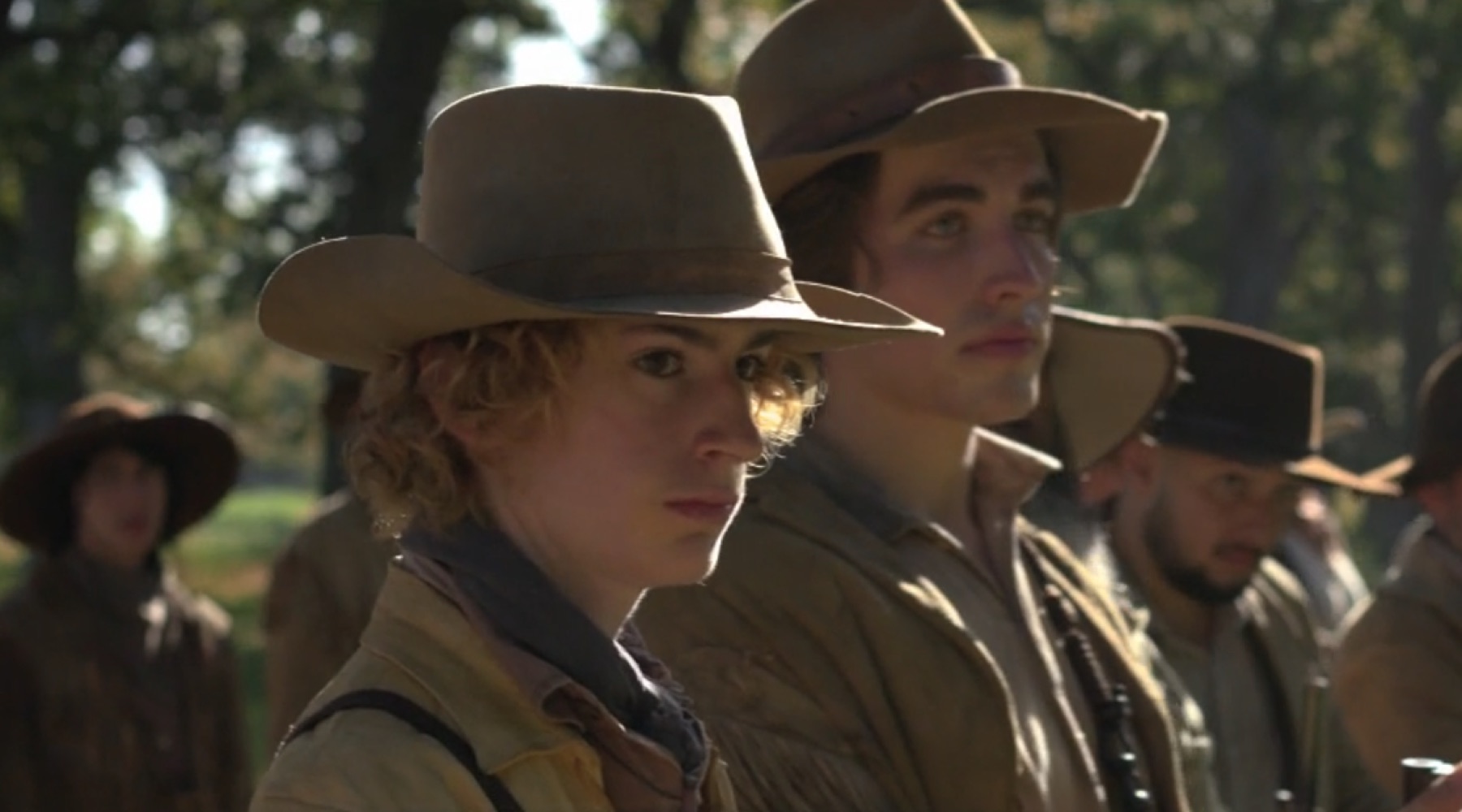
In Texas Legacy in Lights, William Philip King is portrayed by Zachary Colmenero, giving the youngest Alamo defender from Gonzales a clear human presence in the story.
WILLIAM PHILIP KING
William Philip King remains one of the most affecting figures in the story of the Alamo because his life was short, his choice was direct, and the cost paid by his family is easy to grasp even nearly two centuries later. He was not a general, a politician, or a national celebrity in his own day. He was a boy from the Gonzales area who entered the Alamo with the relief force from Gonzales and died there on March 6, 1836. Yet he endures in Texas memory because he brings the Texas Revolution down to a human scale. When people hear his name, they do not first think of speeches or strategy. They think of a fifteen-year-old son taking his father's place and riding toward a fight from which he would not return.
The broad outline of his life is clear. William Philip King was born on October 8, 1820, in Cotton Gin Port in Monroe County, Mississippi. He was the son of John Gladden King and Parmelia Parchman King, and the first of seven children. His father had already lived a hard and violent borderlands life before William came of age. John Gladden King had served in the Gutierrez-Magee expedition and survived the Battle of Medina. By 1825, he had sold his land in Mississippi and moved the family to Louisiana. In April 1830, the Kings arrived in Texas, traveled by covered wagon to Gonzales, and registered in Green DeWitt's colony on May 15 of that year.
That frontier background shaped everything that came after. William grew up in a household that had already crossed multiple states and chosen a hard life at the edge of settlement. The Kings lived on land on the Guadalupe River northwest of Gonzales. Life there would have required work, readiness, and early maturity. A boy in that world was expected to carry weight long before modern Americans would think of him as grown. He would have known firearms, horses, labor, weather, risk, and the reality that families survived only if each member did his part.
It also matters that William grew up in Gonzales, not in some quiet settlement far from public conflict. Gonzales had already become one of the key places in Texas history. By late 1835 it was known for the opening armed resistance of the Texas Revolution. The town's identity was tied to defiance, local duty, and sacrifice. That civic culture would have shaped any young person raised there. By the time William came of age, the town had already taught its young men that honor and action were linked.
This is one reason William Philip King captures the imagination so strongly. He was not just young. He was young in a place that had already taught him that public duty was personal. His story is not the story of a boy wandering into history by accident. It is the story of a son from Gonzales acting within the values of Gonzales. That point is easy to miss when the Alamo is told only through its most famous names.
The most famous moment in his life came in February 1836. Relief forces from Gonzales were being gathered for the Alamo. John Gladden King was asked to join them. At that point, William, only fifteen years old, persuaded his father that the family needed the father at home more than Colonel Travis needed him at the Alamo. John agreed, and William went in his place. That story appears in the Handbook of Texas entry on William, in the Alamo's official defender biography for him, and in the Handbook of Texas entry for John Gladden King.
That decision is why William Philip King is so hard to forget. The story has a moral and emotional clarity that many military biographies do not have. Someone from the family should go. The father prepares to ride. The son argues that the father is more needed at home. The son takes the father's place. The son dies. Few narratives in Texas memory are as stark as that one. It contains duty, youth, family economy, courage, and irreversible loss in a single exchange.
There is another reason the choice endured. William's argument, as preserved by later historical summaries, was not childish boasting. It was practical. He argued that his father was more necessary to the survival of the family. That detail changes the emotional tone of the story. It makes him something more than a reckless boy hungry for glory. He was trying to think as a man thinks. He was weighing labor, obligation, and household need.
The later memory of his mother deepened the story further. One of the most repeated lines associated with the King family is attributed to Parmelia King. She was later said to have declared that the family had no son to spare, but had better lose a son than lose their country. As a matter of method, that kind of remembered line should be treated with care. It comes to us through later local memory rather than as a surviving statement written at the moment of loss. Even with that caution, the quote shows how Gonzales remembered the King family and how local tradition framed the meaning of William's death.
After John Gladden King gave his consent, William joined the Gonzales relief force later known as the Immortal 32. The Texas Historical Commission marker for the Immortal 32, on the grounds of the Gonzales Memorial Museum, commemorates the Gonzales men and boys who fought their way into the Alamo on March 1, 1836, and died there with Travis. William Philip King was not merely folded into the larger Alamo story. He was also kept alive in a specific Gonzales tradition of sacrifice.
The fact that he rode with the only organized relief force to reach the Alamo is central to his importance. The Alamo's official interpretive pages explain that, because a final-day muster roll does not survive, historians reconstruct the defender list from earlier rolls, newspapers, firsthand accounts, land-grant claims, and other evidence. William appears securely on that defender list. That means he did not simply ride toward the Alamo, linger nearby, or serve as a courier. He entered the besieged place and remained there.
Inside the Alamo, many details of his service remain uncertain. No diary in his hand survives. No full eyewitness narrative gives us a detailed sequence of what he did from day to day. Both the Handbook of Texas and the Alamo's official biography state that he reportedly manned a cannon. That word reportedly is important. It signals that the claim rests on historical reconstruction and tradition, not on a complete personal record. Still, it appears in major reference sources, and it fits what we know about how the Alamo garrison had to use every available defender in its artillery and defensive work.
That reported artillery role also helps explain why his story feels so symbolically dense. Gonzales had become famous through a cannon. The Alamo was a fortress where cannon mattered. So the youngest defender from Gonzales is remembered as having served one of the guns in the most famous siege of the Revolution. In Texas memory, William stands at the meeting point of Gonzales and the Alamo, of opening defiance and final sacrifice.
On March 6, 1836, he died in the battle of the Alamo. To die at the Alamo is to be absorbed into one of the central stories of Texas. To die there at fifteen is to occupy a special place even within that central story. The Alamo identifies him as age fifteen. The Handbook of Texas does the same. Modern Alamo interpretation also notes that research on the defenders continues and that the defender list may change as new evidence appears. Yet William Philip King remains firmly in the record.
His age changes how people experience the story. The Alamo often gets told through adult themes such as command, discipline, statecraft, revenge, and military honor. William Philip King makes those themes intimate. He forces attention back to the household. What did liberty cost one family in Gonzales? What did public duty ask of a mother and father? What did it mean for a town to send not only grown men but boys?
His father's later life deepens the tragedy. John Gladden King survived the Revolution, fled during the Runaway Scrape, returned to Gonzales County, prospered, and later operated a stagecoach inn on the Old San Antonio Road. He lived until 1856. That means he lived for two decades after allowing his son to go in his place. No surviving quotation from him captures that burden in his own words, but the fact itself is enough. He outlived the son who had tried to save the household by sparing the father.
The family remained rooted in the Gonzales region, and that helped William's story survive in local memory with unusual strength. He was not the child of a family that vanished immediately from the map. The King name remained tied to land, family history, and local identity. That local continuity is one reason public commemoration found stable ground. The memory of William Philip King was preserved by statewide history books and Alamo institutions, but also by Gonzales itself.
The naming of King County, Texas, after him gave that memory a still wider reach. County names are powerful memorials because they enter everyday life. They appear on signs, records, maps, legal documents, and local identities. William Philip King did receive that kind of afterlife. The Alamo and the Handbook of Texas both note that King County was named for him. That fact shows how strongly later Texans wanted to preserve the name of a boy whose adult life never had the chance to unfold.
This public legacy also explains why he continues to attract storytellers and heritage interpreters. His story is emotionally direct. A son replaces a father. A boy from Gonzales rides with the only organized force to reach the Alamo. He dies as the youngest defender. He may have served a cannon. His mother's remembered words turn grief into patriotism. His name passes into county memory. Few lives from the Revolution can be told so clearly in so few lines.
So why has William Philip King captured the imagination of so many? First, because youth changes the emotional charge of history. A fifteen-year-old at the Alamo is impossible to hear about with indifference. Second, because his choice had a clean and painful shape. He did not merely join the cause. He stepped into danger in place of his father. Third, because he connects two of the most powerful memory traditions in Texas. He belongs to Gonzales and to the Alamo. He belongs to first resistance and final sacrifice.
In the end, William Philip King matters because he makes the Texas Revolution human. He was born in Mississippi, came west with his family, grew up in Gonzales, persuaded his father to stay home, rode to the Alamo, and died there at fifteen. Those are the core facts, and they are enough to explain why he still stands out. He shows that the Revolution was not carried only by men already famous. It was also carried by sons, by families, and by communities that gave up more than they could afford to lose.
SOURCES USED
Handbook of Texas Online: William Philip King; The Alamo defender biography for William Philip King; Handbook of Texas Online: John Gladden King; Texas Historical Commission: The Immortal 32 historical marker; The Alamo defenders overview and methodology note on the reconstructed roster.
Related Visuals
Images and reference assets attached to this page.
Keep Reading
More history pages from the Texas Legacy in Lights archive.
These pages were present in the live-site content but are now surfaced as a connected reading path inside the Austin Film Crew system.
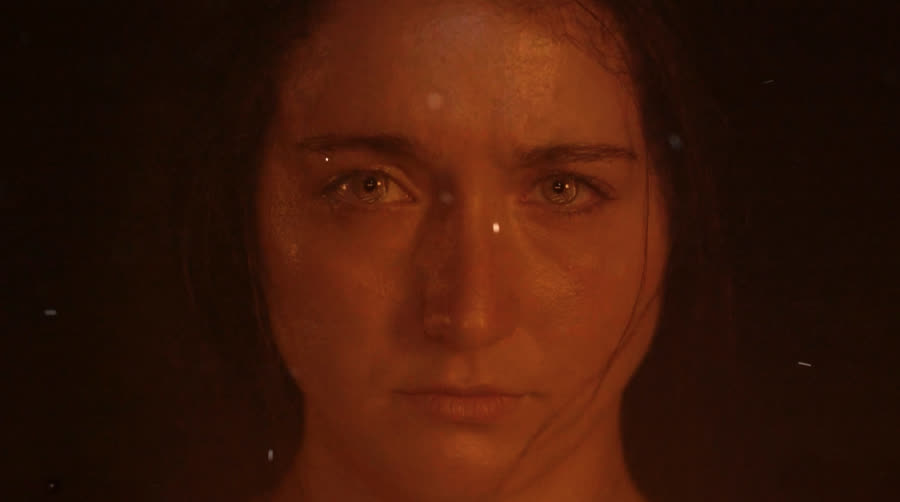
Evaline DeWitt
A young woman on the Gonzales frontier whose family, grief, and hand-sewn defiance became part of the first symbol of the Texas Revolution.
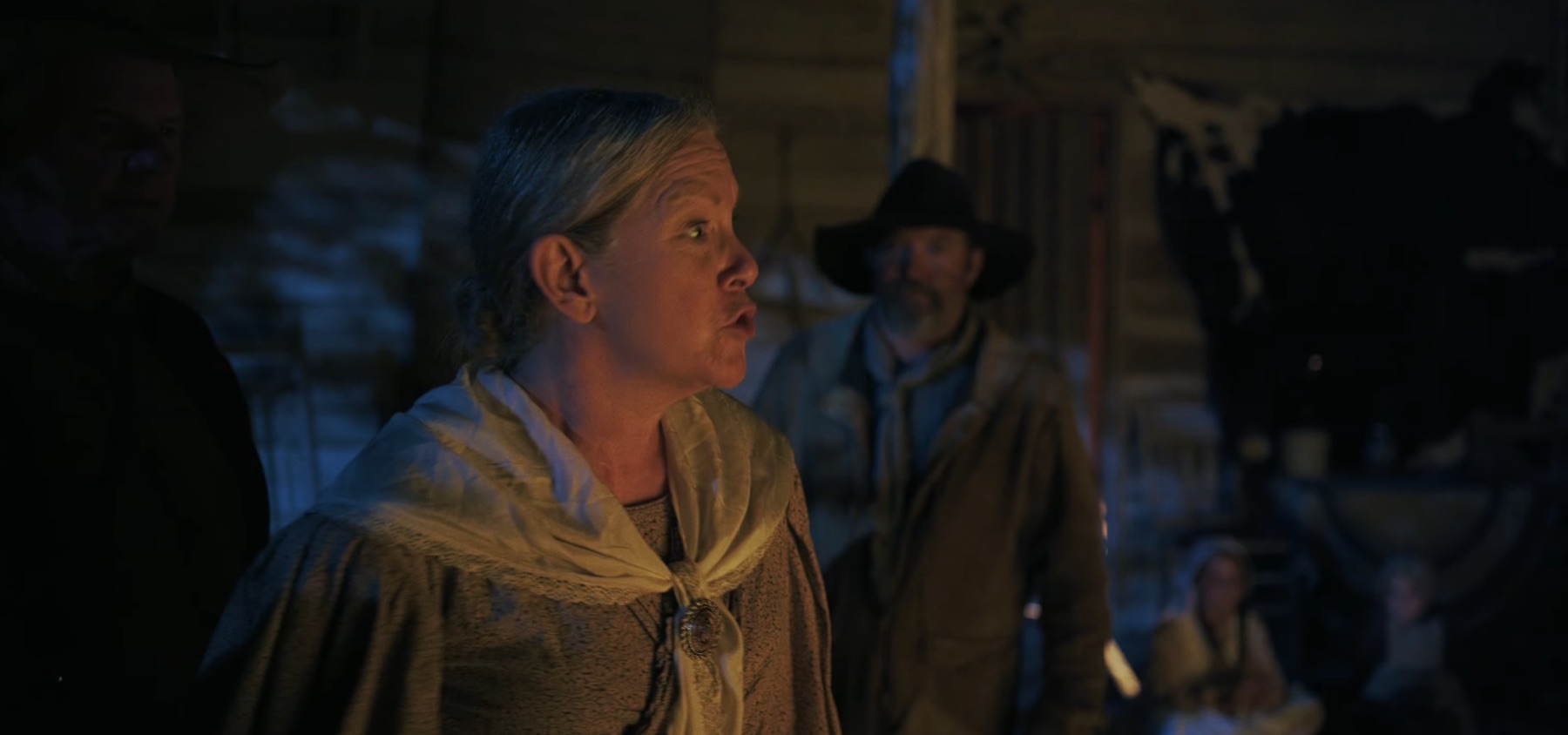
Sarah DeWitt
The widow, mother, and colony matriarch whose steady resolve helped hold Gonzales together when the fight for Texas reached her doorstep.
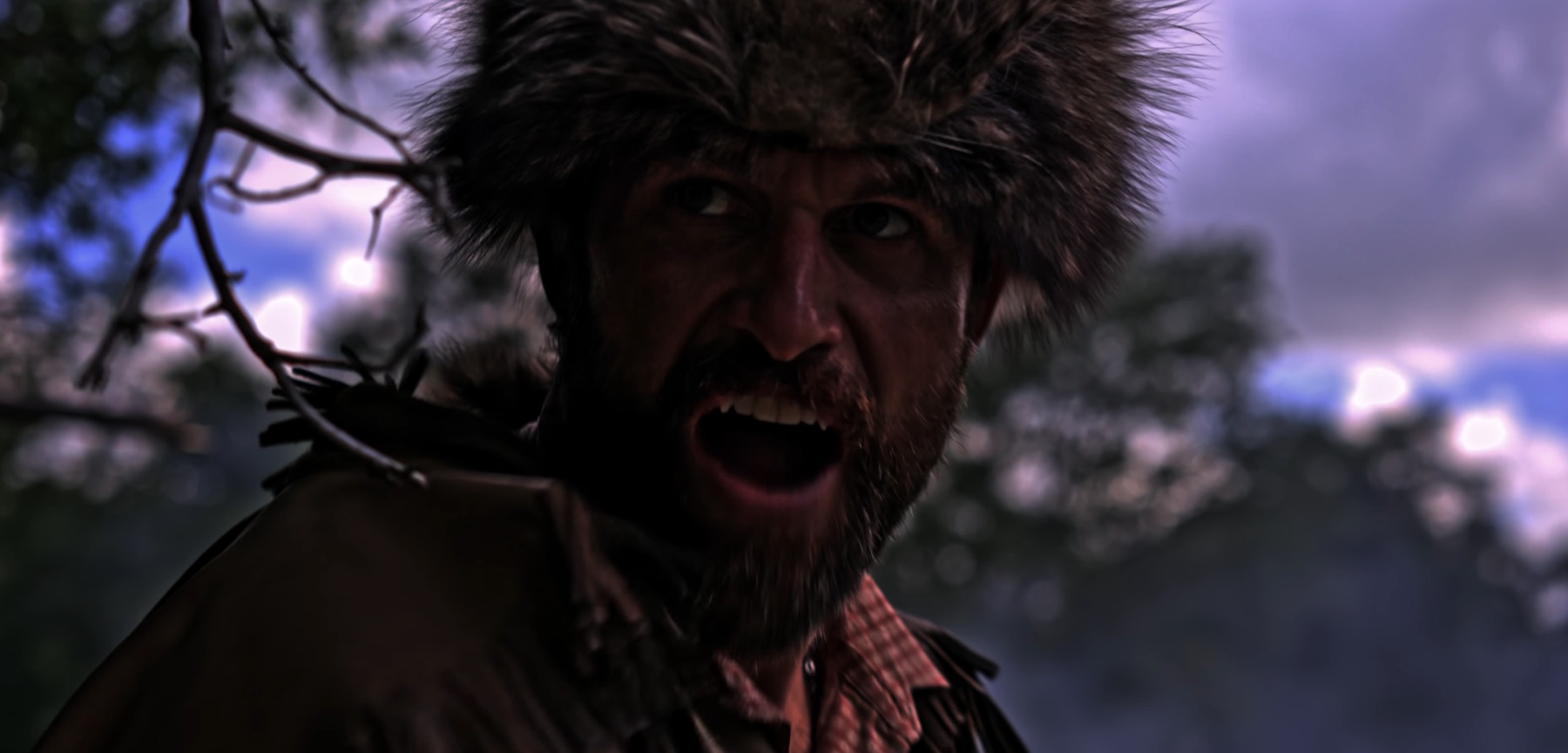
John Henry Moore
A seasoned frontier leader who helped turn a scattered militia response into one of the opening stands of the Texas Revolution.